 peekgentic
Beyond the Fortune 500 · Dallas business stories
Meet Dom Perry and Scrap-It
After 13 years in corporate restaurants, an SMU alum started a job-site cleanup company. Then he turned the cleanup into data that homebuilders rely on.
In brief
- Dom Perry, an SMU alum, spent 13 years at Brinker International before co-founding Scrap-It in Dallas in 2019.
- Scrap-It cleans homebuilders' job sites, and its own software turns every visit into data builders can use.
- Seven lessons for students, from building systems early to choosing an investor for more than the money.
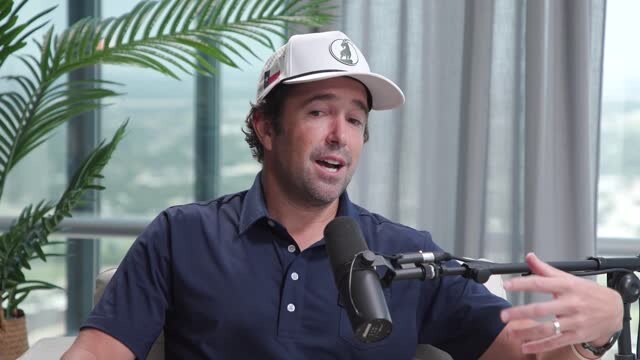
Dom Perry answered my first email with "GO PONIES!" Two days later, my business partner Steven Law and I were on a call with him, asking how an SMU alum went from corporate restaurants to a venture-backed company that cleans construction sites.
Scrap-It handles job-site cleanup, debris removal and erosion control for homebuilders across Dallas-Fort Worth. That sounds like a trucks-and-dumpsters business. It's also a software company, and the most interesting part of the story is how one became the other.
Scrap-It · Dallas, Texas
Job-site services, run on data.
1. Corporate first can be a head start
Before Scrap-It, Dom spent 13 years at Brinker International, the company behind Chili's and Maggiano's. People like to knock big companies, he said, but they're worth billions for a reason: they build systems and processes that don't depend on any one person.
That was the lesson he carried into his own company. Put the processes in early, so the business can grow without everything running through a few people.
My takeaway: Working at a big company first isn't a detour. Learn how a company that already works is built, then take that with you.
2. Get ready for the rollercoaster
The biggest change from corporate life, Dom said, was emotional. In one day you can go from picturing a huge exit to wondering how you'll keep the lights on. In a big company, structure absorbs those swings. When it's your business, you feel every one of them.
My takeaway: Nobody can fully prepare you for the highs and lows of owning a business. Knowing it's normal makes the bad days easier to ride out.
3. Grow on execution, not marketing
Scrap-It didn't grow on paid ads or a big sales team. It started with a builder Dom already knew, then grew on the quality of the work and the referrals that came from it. His personal network, including family with connections to builders, helped open the next doors.
My takeaway: Your first customers will probably come from people who already trust you. Do great work for them, and they'll bring the next ones.
4. Turn your service into data
This is the part that changed how I think about "simple" businesses. Scrap-It started taking photos before and after every job, so builders could see the work was done. Then Dom's team noticed something: they're the only trade on a job site every single week, from start to finish.
So the photos grew into a data platform. Builders often struggle to get accurate information from their own systems, Dom said, because the people entering it aren't always rewarded for accuracy. Scrap-It's data comes from someone with nothing to gain from it, so builders can trust it. That turned a cleanup vendor into a partner.
The only trade on site every week became the one with the best data.
My takeaway: Every business is sitting on information nobody is using. The company that collects it and gives it back to the customer becomes hard to replace.
5. Pick the partner, not just the money
Scrap-It is backed by Perot Jain, a Dallas venture firm. Dom's advice on raising money was simple: don't take capital from just anyone. The right partner opens doors, gives real advice, sits on your board and doesn't push you to grow faster than you're ready to.
And if you think you have to move to the coasts to raise money, Dom disagrees. Dallas is an emerging market for investors, he said. Local investors want local companies, and outside investors are looking at Texas because of how fast it's growing.
My takeaway: An investor is a long-term partner, so choose one the way you'd choose a co-founder. And Dallas is a good place to do it.
6. Know your market's cycles
Dom was honest about the hard part right now. High interest rates and uncertainty have slowed new-home building, so builders are cutting costs with every trade. At the same time, fuel, landfill fees, insurance and labor keep getting more expensive.
My takeaway: Even a great business rides the cycles of its industry. Build something efficient enough to get through the slow years.
7. Work ethic and fit beat everything else
When we asked what he looks for when he hires, Dom skipped the generational stereotypes. Most people who make it to an interview already have the skills, he said. What separates them is whether they'll put in the work, and whether they make the people around them better.
He also said our generation has a real advantage: we grew up with technology and AI, and the pace of change is something everyone can learn from.
My takeaway: Skills get you the interview. Work ethic and being someone people want on their team get you the job. And knowing AI well is a head start most of us don't use.
Most people drive past a construction site and see dirt and dumpsters. Dom saw a business, and then he saw the data inside it. That's the kind of thinking I want to learn from.
If you want to learn more, their website is scrap-it.com.
Keep reading
 Beyond the Fortune 500: the Dallas companies you drive past every day
 The work your team never had time for
 ChatGPT vs. custom AI for business processes: when each one works